Human Rights Month: Workplace Fairness & Labour Law
This press release explores how South African labour law protects employee rights, the CCMA dispute resolution process, and why dignity at work is a practice — not just a principle.
Download PDFHuman Rights Day teaches that dignity, equality and fairness aren't just abstract constitutional ideals — they're the lives we lead that must be lived out daily at work.
For many South Africans, however, employment is more than an income. It is a sign of stability, growth and sense of personal security. Work conflicts are not only a contract issue; they can quickly become rights issues. Labour law comes into play to carefully and deliberately regulate this relationship. It gives a framework for when emotions are high and both employers and employees are treated equitably.
The law in South Africa mainly deals with rights and responsibilities in work life as:
- Labour Relations Act — governs dismissals, unfair labour practices and dispute resolution mechanisms.
- Basic Conditions of Employment Act — sets minimum standards for working hours, leave, notice periods, and remuneration.
- Employment Equity Act — prevents unfair discrimination and promotes equality in the workplace.
- Occupational Health and Safety Act — obliges employers to ensure healthy working conditions and safe work environments.
With the right to fair employment, these laws bring concrete effect to the Constitutional right to fair labour practices. But knowing the law is only part of the solution. How it's dealt with in the workplace is the key ingredient.
Procedure Is Everything
The belief that outcomes are a matter of who was "right" or "wrong" is one of the most common misunderstandings of labour disputes. In fact, the procedure has immense significance. An employer might well have legitimate reasons for concerns about misconduct or poor performance, but the right process (proper investigation, appropriate notice of hearing, opportunity to respond, and consistency in policy) must first be observed before the dismissal can even be judged to be fair. Likewise, if employees feel aggrieved, their internal grievance procedures should be used before escalating matters externally.
Because of that, it becomes harder to escalate conflicts with a company and this is where raising concern in writing, ensuring records, and following company policy often help. Where the workplace operates transparently and in an organized way, most problems are resolved internally. For better or worse, it's generally when communication breaks down, or procedures are disregarded, that matters escalate.
When Internal Resolution Fails
When a dispute cannot be settled at work, the law provides a structured way to get a resolution through the Commission for Conciliation, Mediation and Arbitration (CCMA). The CCMA procedure usually starts with conciliation — a structured conversation designed to resolve differences. This stage is intended to promote resolution rather than confrontation. Here many disputes are settled.
If conciliation fails to prevail then it moves on to arbitration. Arbitration is more formal and involves the presentation of evidence for both parties — sometimes with testimony from witnesses to corroborate such matters. A commissioner then makes a binding decision. Outcomes could result in reinstatement, compensation, or dismissal of the claim. There are strict time limits, especially in cases involving dismissal.
The Role of Evidence
In workplace disputes, paperwork is often what makes evidence matter. The CCMA and courts look at whether there was a fair reason for the decision being made and whether proper process was followed. They don't just make decisions based on emotion or assumption.
To employers, this means documenting disciplinary actions, signing and making policies accessible, and documenting investigations. For workers, it means retaining contracts, payslips, correspondence and written records of meetings or warnings. The clarity of clear documentation helps. Not having it can make even the strongest cases weaker.
Escalating a Matter Further
Should one of the parties hold that an arbitration award is unreasonable or procedurally flawed, it may be subject to review by the Labour Court of South Africa. This is not a rehearing, but a legal consideration of whether the determination was made fairly and within the law. Under narrower circumstances that matter may then go to the Labour Appeal Court of South Africa. However, most disputes are resolved at CCMA if the matter is properly prepared and properly presented.
Labour Law as Human Rights
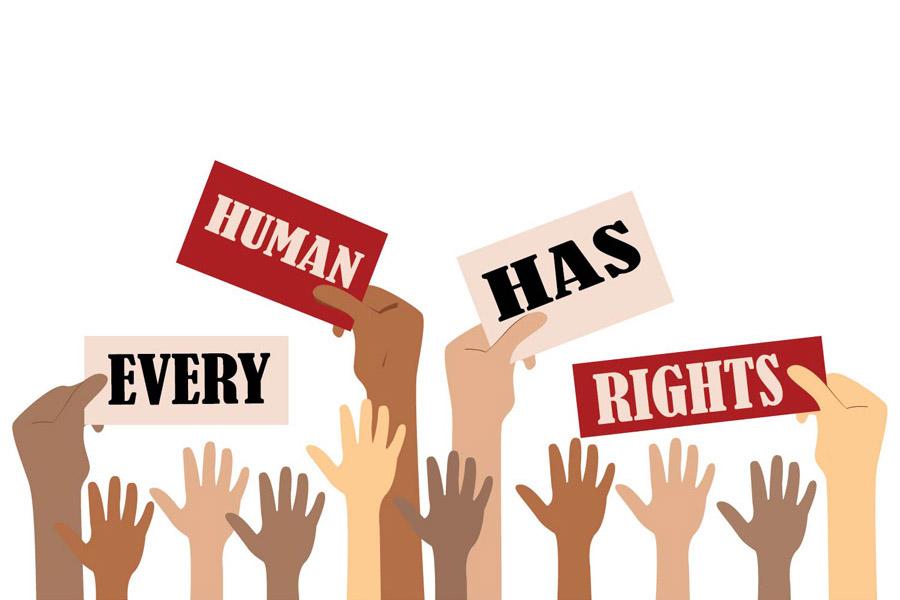
Workplace issues often span beyond policy. Dismissals affect livelihoods. Discrimination undermines dignity. Living in unsafe environments puts lives at risk. These are not administrative worries on the level of a few bureaucratic niceties; they're the constitutional values at play. Human Rights Day is a reminder that workplace fairness is not optional. It is a legal obligation and a professional principle.
Employers who use policies consistently and conduct fair hearings earn trust in their organisations. When employees know their rights and responsibilities, they help to create a culture of accountability. Labour law in the end seeks balance. It shields businesses from arbitrary disruption and workers from being unfairly treated.
Disputes become manageable — and in many cases, preventable — when process is respected and communication is open. Dignity at work is not just a principle. It is a practice.